
Why Drain Fields Fail and What You Can Do About It
Drain field failure usually happens because the soil can no longer absorb wastewater the way it should. This may be due to clogs, excess water, soil compaction, or damage to the system. When the drain field stops working, sewage has nowhere to go. That can lead to odors, wet spots in the yard, or drains backing up inside the home. Knowing the cause helps you decide if you need simple maintenance or full drain field repair.
Common Symptoms of a Failing Drain Field
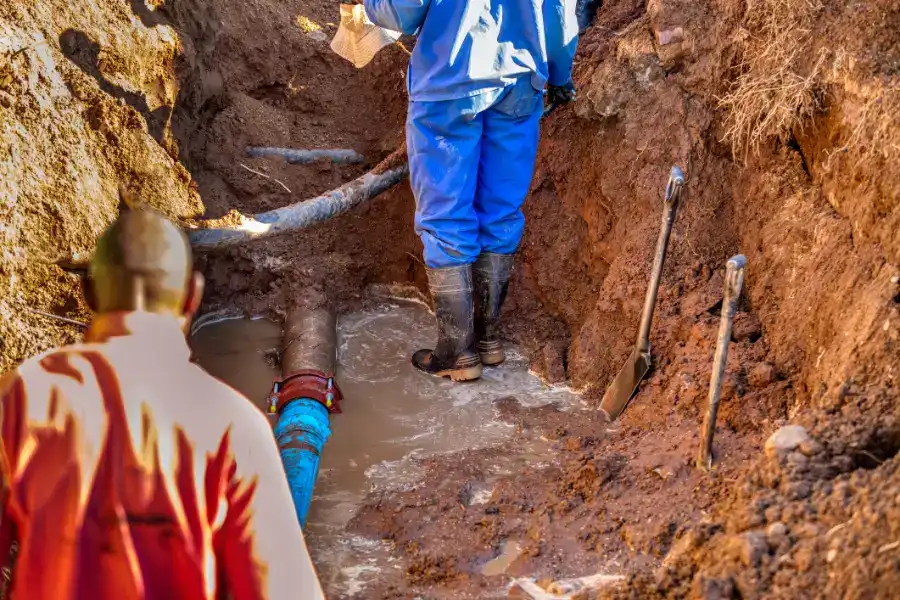
A failing drain field often gives warning signs before a total breakdown. Paying attention early can save you money and stress.
- Slow draining sinks, tubs, or toilets
- Gurgling sounds in pipes
- Sewage smells in the yard
- Wet or soggy areas over the drain field
- Bright green grass only in one section of the yard
If more than one of these signs shows up, the problem may be in the drain field, not just the septic tank.
Most Likely Causes of Drain Field Failure
Several issues can lead to drain field trouble. Some build up over time. Others happen fast.
1. Lack of regular septic pumping
When the septic tank is not pumped on schedule, solid waste can move into the drain field lines. These solids clog the pipes and soil. Once that happens, the system cannot filter water properly.
2. Too much water use
Doing many loads of laundry in one day or fixing a leaking toilet too late can overload the system. The drain field needs time to absorb water. Constant heavy flow keeps the soil too wet to work.
3. Driving or parking over the area
Heavy vehicles compress the soil. Compacted soil cannot absorb water well. It can also crush the drain lines.
4. Tree root intrusion
Roots naturally grow toward moisture. Small cracks in pipes attract roots. Over time, roots can block or break the lines.
5. Poor installation or old age
If the system was not installed at the right depth or in the right soil, it may fail early. Most systems also wear out after 20 to 30 years, depending on use and soil type.
What to Check First
Before assuming the worst, check a few basic things:
- Look at your septic tank service records. Has it been pumped in the last 3 to 5 years?
- Check for leaking faucets or running toilets.
- Notice if the problem started after heavy rain.
- Walk the yard and look for new wet spots.
If the tank is overdue for service, pumping it may help. If the yard stays soggy even in dry weather, the issue may be deeper in the drain field.
Safe Fixes Versus Professional Repairs
Some small issues can be handled quickly. Others require trained help and equipment.
Safe steps you can take:
- Reduce water use for a few days
- Spread out laundry loads during the week
- Fix plumbing leaks right away
- Keep heavy vehicles off the drain field area
These steps may relieve pressure on the system. But if pipes are clogged with solids or crushed, simple changes will not solve the problem.
Professional-level fixes:
- Clearing blocked lines
- Replacing damaged pipes
- Restoring compacted soil areas
- Full drain field repair or partial replacement
Drain field repair can range from fixing one line to rebuilding part of the system. A proper inspection helps determine the extent of the damage.
How to Prevent Future Drain Field Problems
Prevention is often easier than repair. Good habits protect your septic system for years.
- Pump your septic tank on a regular schedule
- Use water evenly throughout the week
- Install high-efficiency toilets and fixtures
- Keep trees and large shrubs away from the drain field
- Never pour grease, paint, or harsh chemicals down drains
- Do not build patios, sheds, or driveways over the system
Also, know the exact location of your septic system. Many homeowners damage their drain field simply because they do not realize where it sits.
When to Call for Expert Help
If sewage backs up into your home, call for service right away. If the yard smells like sewage and stays wet for days, that is another clear sign. Fast action can limit property damage and health risks.
In Miami Gardens, FL, soil type and rainfall can also affect how well a drain field works. Clay-heavy soil drains slowly. Periods of heavy rain can overload even a healthy system. A professional inspection can determine if you need minor service or full drain field repair.
Get Reliable Help for Your Septic System
If you are dealing with drain field problems in Miami Gardens, FL, we are ready to help. At ASAP Statewide Septic, we handle inspections, maintenance, and full drain field repair services for residential properties. Our team uses proven methods to find the real cause and fix it the right way. Call us today at (786) 288-3673 to schedule service and protect your septic system before the damage gets worse.