
Regular Waste Removal Keeps Drinking Water Safe
Septic tank pumping prevents groundwater contamination by removing built-up sludge and waste before it can overflow or leak into the soil. When a tank gets too full, solid waste can move into the drain field and seep down into the water table. That water may supply nearby wells and homes. Routine septic tank pumping keeps the system working the way it should and helps protect clean water in your area.
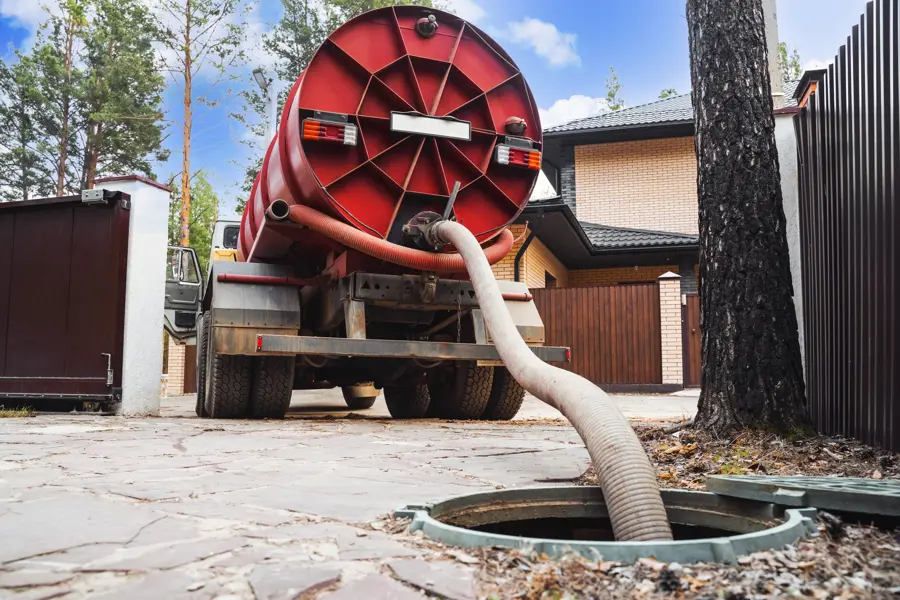
Why Prevention Matters
Your septic system is designed to separate solids from wastewater. Heavy solids sink to the bottom. Oils and grease float to the top. The middle layer flows out to the drain field. Over time, the solid layer grows thicker. If it is not removed, it can block pipes or push waste into the soil.
Groundwater sits below the surface of your yard. Many homes depend on it for drinking water. When a septic system fails, bacteria, nitrates, and other pollutants can enter that water. This can lead to unsafe well water and health risks for your family and neighbors.
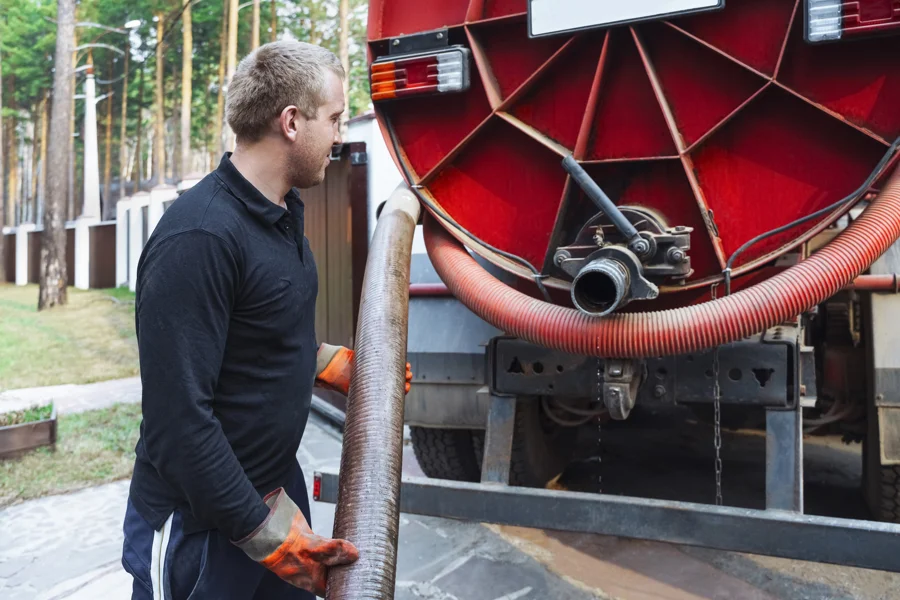
Preventive septic tank pumping removes that buildup before it causes damage. It is one of the simplest ways to keep your system healthy and your water clean.
Early Warning Signs of Trouble
Your septic system usually gives you clues before a major problem starts. Paying attention to these signs can help you act early:
- Slow drains in sinks, tubs, or showers
- Bad smells near drains or outside in the yard
- Standing water near the drain field
- Bright green grass over one section of the yard
- Gurgling sounds in the plumbing
These signs often mean your tank is getting full. If you wait too long, wastewater may back up into your home. That waste can also spill into the soil and reach groundwater.
A Simple Routine Checklist
Staying on a regular schedule makes septic tank pumping easy to manage. Most homes need service every three to five years. Larger households may need it more often.
Use this basic checklist:
- Know your tank size and location.
- Keep records of your last pumping date.
- Have your tank inspected every few years.
- Watch your water use and fix leaks quickly.
- Schedule pumping before problems start.
A professional can measure the sludge level inside your tank. If the solids take up too much space, it is time for service. Regular inspections help prevent surprises.
Best Practices for Long-Term Protection
Pumping is key, but daily habits also matter. Small changes can protect both your septic system and the groundwater below your property.
Follow these good habits:
- Only flush toilet paper and human waste.
- Avoid pouring grease or oil down the drain.
- Spread laundry loads across the week.
- Keep heavy vehicles off the drain field.
- Direct roof drains away from the system.
Too much water entering the system at once can stir up solids and send them into the drain field. Grease and wipes do not break down well and add to sludge buildup. Over time, these practices reduce strain on your system and lower the risk of leaks that contaminate groundwater.
What Not to Do
Some people try quick fixes instead of regular septic tank pumping. Additives and chemicals claim to clean the tank without service. In most cases, they do not remove solids. The sludge still sits at the bottom and continues to build up.
Another mistake is waiting until sewage backs up before calling for help. By then, the drain field may already be damaged. Repairing a failed drain field costs far more than routine septic tank pumping.
Do not ignore standing water or foul odors in your yard. These are signs that wastewater may already be moving past the system and into the soil.
When to Schedule Professional Help
If your home has not had septic tank pumping in several years, it is smart to schedule service soon. You should also call for help if you notice any warning signs, have a large household, or plan to host long-term guests.
Homes that use well water need to be extra careful. Contaminated groundwater can affect your drinking supply. Regular septic system maintenance lowers that risk.
A trained crew has the right equipment to remove waste safely and inspect for cracks, leaks, or other damage. They can also give you a clear schedule based on your home’s size and water use.
Protect Your Water in Miami Gardens, FL
Protecting groundwater starts with simple steps at home. In Miami Gardens, FL, many properties rely on private wells and septic systems, which makes routine care even more important. At ASAP Statewide Septic, we provide reliable septic tank pumping to help reduce the risk of leaks and groundwater contamination. If it has been a few years since your last service, call us at (786) 288-3673 and we will schedule an appointment and keep your system working the way it should.