
The Ground Beneath Your System Can Make or Break Long-Term Performance
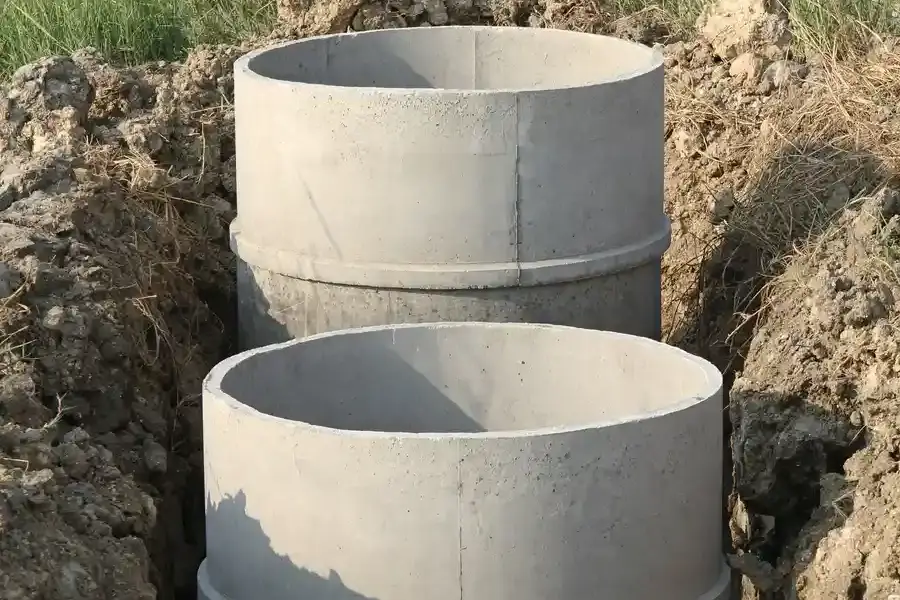
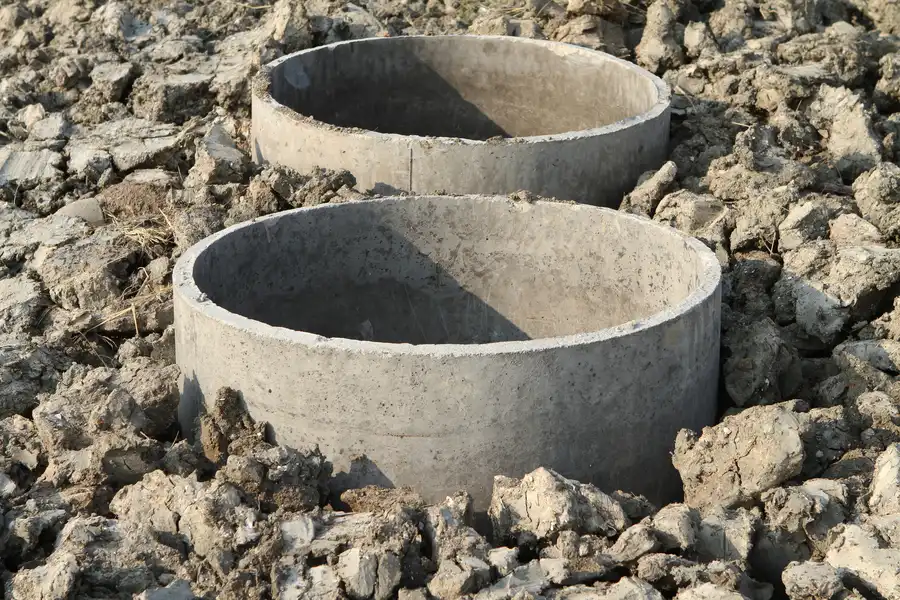
The type of soil on your property plays a major role in how well a septic system works. Some soils drain water at the right speed, while others hold too much moisture or let waste move too fast. During Septic Tank Installation, the soil must be able to filter and absorb wastewater safely. If it cannot, the system may fail early, cause backups, or even contaminate nearby water.
What You Need to Know Before Starting
Before any digging begins, the soil should be tested. This is often done with a perc test, which measures how fast water drains through the ground. The results help determine the right system size and design. Local building rules may also require soil reports before approving septic tank installation.
Here are the main soil types that affect performance:
- Sandy soil – Drains quickly but may not filter waste well
- Clay soil – Drains slowly and may cause pooling
- Silt soil – Holds water longer than sand but drains better than clay
- Loam soil – A balanced mix and often ideal for septic systems
The goal is steady drainage. Not too fast. Not too slow.
Step-by-Step Process for Evaluating Soil
During septic tank installation planning, professionals follow a clear process:
- Inspect the property layout and slope.
- Dig test holes in the proposed drain field area.
- Perform a percolation test to measure drainage speed.
- Examine soil layers for clay, sand, rock, or water tables.
- Choose the right system design based on results.
If soil drains too quickly, wastewater may move through without proper filtering. If it drains too slowly, the drain field can flood. Both lead to costly problems.
Common Mistakes to Avoid
Many issues happen when soil conditions are ignored or misunderstood. Here are mistakes property owners sometimes make:
- Skipping soil testing to save time or money
- Installing a standard system without adjusting for soil type
- Placing the drain field in low, wet areas
- Failing to account for seasonal groundwater changes
For example, clay-heavy soil may look dry during summer. But in wet seasons, it can hold water and stop proper drainage. This can lead to sewage backing up into the house.
When to Call a Professional
Soil evaluation is not a guessing game. It requires training and proper tools. If your land has rocky layers, a high water table, or mixed soil types, expert planning is even more important.
A trained crew can:
- Interpret soil test results correctly
- Recommend advanced system options if needed
- Design raised beds or alternative drain fields
- Meet local code requirements
Professional septic tank installation reduces the risk of early failure. It also helps protect nearby wells, lakes, and neighboring properties.
Final Recommendation and Next Step
If you are planning a Septic Tank Installation in Miami Gardens, FL, soil testing should be your first step. At ASAP Statewide Septic, we evaluate soil conditions carefully before any work begins. Our team designs systems that match your property’s needs and local regulations. Call us at (786) 288-3673 to schedule an on-site evaluation and let us help your system perform the way it should for years to come.