
What You Should Check Before Putting a Septic System on Your Property
Before installing a septic system, you need to check your soil, lot size, local codes, budget, and long-term maintenance needs. A septic system is not one-size-fits-all. The land must support it, and the system must match your home’s water use. Planning ahead helps you avoid costly repairs and failed inspections later.
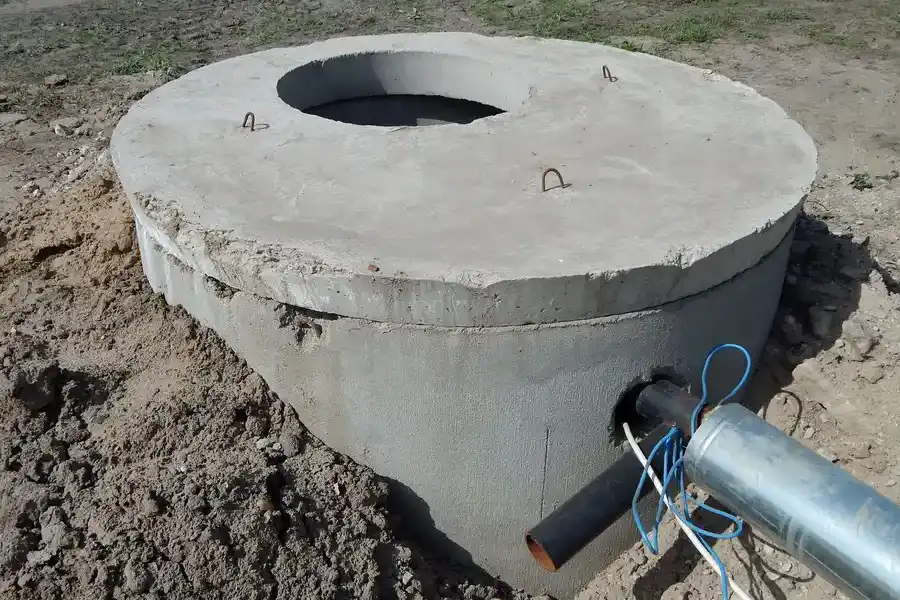
Start With a Site and Soil Evaluation
The first step in any septic tank installation is testing the soil. This is often called a perc test. It shows how fast water drains through the ground. If water drains too slowly, waste can back up. If it drains too fast, untreated waste can reach groundwater.
You also need to check:
- Lot size and property lines
- Distance from wells, ponds, and streams
- Slope of the land
- Depth of the water table
Local health departments usually require these checks before approving permits. Without approval, you cannot move forward.
Understand Local Codes and Permit Rules
Every county has its own septic rules. These rules control tank size, drain field placement, and inspection steps. Skipping permits can lead to fines or delays when selling your home.
Some areas also have environmental service guidelines that protect nearby water sources. These rules may limit where you can place the system. Always confirm what is required before starting septic tank installation.
Choose the Right System for Your Home
Not all septic systems are the same. The size of your household matters. A three-bedroom home needs a different tank size than a five-bedroom home.
Common system types include:
- Conventional gravity systems
- Pressure distribution systems
- Aerobic treatment units
- Engineered systems for poor soil
A basic gravity system works well on level ground with good soil. If your soil drains poorly, you may need a more advanced system. That can raise the total cost and increase maintenance needs.
Plan the Septic Tank Installation Step by Step
A clear plan helps prevent delays. Most projects follow these basic steps:
- Complete soil testing and site evaluation
- Design the system based on test results
- Apply for permits and wait for approval
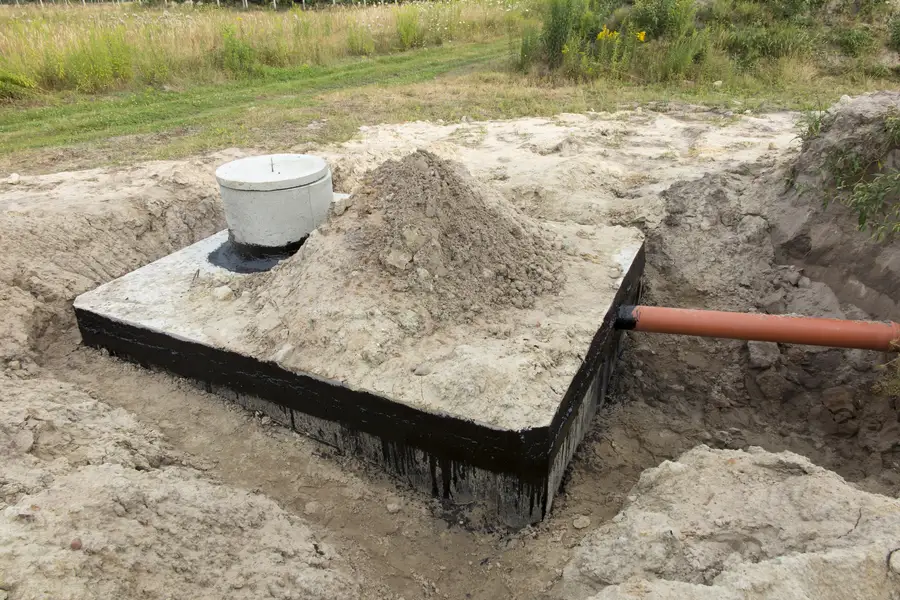
- Excavate the tank and drain field area
- Install the tank and connect pipes
- Backfill and schedule final inspection
Each step must meet local code. Rushing through the process can cause inspection failure.
Think About Long-Term Maintenance
A septic system is not a set-it-and-forget-it system. It needs regular pumping and care. Most tanks need pumping every three to five years, depending on use.
You should also:
- Avoid flushing wipes or grease
- Keep heavy vehicles off the drain field
- Spread out heavy water use
- Track pumping dates
If you ignore maintenance, solids can clog the drain field. Fixing a failed drain field can cost much more than routine service.
Set a Realistic Budget
The cost of septic tank installation depends on soil type, system design, equipment access, and permit fees. Hard-to-reach properties may need extra excavation work. Systems designed for poor draining soil also cost more.
It helps to plan for both upfront costs and future expenses. Budget for inspections, pumping, and small repairs over time. Thinking long term keeps surprises to a minimum.
Avoid Common Mistakes
Homeowners often run into problems because they skip early research. Here are common errors:
- Buying land without checking septic approval
- Choosing a tank too small for the home
- Ignoring slope and drainage patterns
- Planting trees too close to the drain field
Tree roots can grow into pipes and cause serious damage. Poor placement can also lead to foul odors or soggy soil in the yard.
When to Call a Professional
Septic systems involve excavation, plumbing, permits, and inspections. While some property owners research the basics, professional design and installation reduce risk. A licensed installer understands soil reports, tank sizing, and code requirements.
If your land has high groundwater, clay soil, or limited space, expert guidance is even more valuable. The right planning today can prevent system failure years down the road.
Get Expert Help for Your Project
If you are planning septic tank installation in Miami Gardens, FL, our team at ASAP Statewide Septic can help you plan the right system for your property and handle every step from testing to final inspection. We focus on safe, code-compliant work and clear communication throughout the process. Call us at (786) 288-3673 to schedule a consultation and take the next step with confidence.