
How Regular Maintenance Stops Costly Breakdowns Before They Start
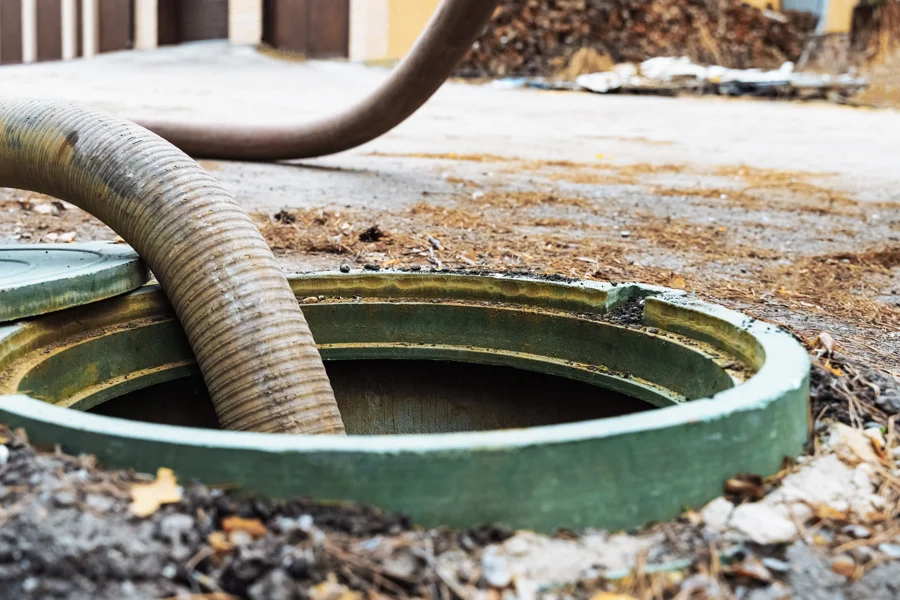
Septic tank pumping plays a major part in preventing system failures because it removes built-up solids before they clog pipes, damage the drain field, or cause sewage backups. When waste stays in the tank too long, it hardens and takes up space meant for wastewater. That leads to blockages, slow drains, and even system shutdown. Routine septic tank pumping keeps everything flowing the way it should and helps your system last many more years.
Why Prevention Matters
Your septic system works every day. It handles showers, laundry, toilet use, and dishwashing. Over time, solid waste sinks to the bottom of the tank and forms sludge. Grease and lighter waste float to the top as scum. If the tank is not cleaned out on a regular schedule, these layers grow too thick. When that happens, solids can move into the drain field and clog it.
A failed drain field is expensive to fix. In many cases, poor maintenance is the main reason systems break down. Septic tank pumping removes excess sludge and scum before they reach dangerous levels. This simple service can help you avoid major repair bills.
Early Warning Signs of Trouble
Your system often gives small hints before a serious problem starts. Paying attention to these signs can help you act early.
- Slow drains in sinks, tubs, or showers
- Gurgling sounds in pipes
- Bad smells near drains or outside
- Standing water around the drain field
- Extra green or thick grass in one area of the yard
If you notice any of these issues, your tank may be too full. Scheduling septic tank pumping at this stage can stop a minor issue from turning into a system failure.
Seasonal and Routine Checklist
Most homes need septic tank pumping every three to five years. The exact timing depends on household size, water use, and tank size. Staying on a schedule is one of the smartest ways to protect your system.
Here is a simple routine checklist to follow:
- Keep a record of your last pumping date.
- Limit heavy water use over short periods.
- Fix leaking toilets and faucets quickly.
- Spread out laundry loads during the week.
- Have a professional inspect the system if you buy a new home.
Seasonal habits also matter. During rainy months, the soil around your drain field can become saturated. Try to reduce water use during long storms. In colder climates, avoid driving over the system in winter, since compacted soil does not drain well.
Best Practices for Long-Term Results
Good daily habits support regular septic tank pumping and improve long-term performance. Small changes in what goes down your drains can make a big difference.
Only flush toilet paper and human waste. Items like wipes, paper towels, and hygiene products do not break down well. In the kitchen, avoid pouring grease or cooking oil into the sink. Grease hardens and adds to the scum layer inside the tank.
Be careful with chemical cleaners. Harsh products can upset the balance of helpful bacteria that break down waste. When bacteria levels drop, solids build up faster, and pumping may be needed more often.
What Not to Do
Many system failures happen because of simple mistakes. Avoiding these problems is just as important as scheduling routine service.
- Do not skip scheduled septic tank pumping.
- Do not park cars or heavy equipment over the tank or drain field.
- Do not plant trees with deep roots near the system.
- Do not connect roof drains or sump pumps to the septic system.
Extra water from outside sources can overload your tank and push solids into the drain field. Tree roots can break pipes and cause hidden leaks. These issues often lead to costly repairs that could have been avoided.
When to Schedule Professional Help
If it has been more than three years since your last service, it is smart to plan septic tank pumping soon. Homes with large families or garbage disposals may need more frequent visits. If you are unsure about your tank size or condition, a licensed technician can inspect it and measure sludge levels.
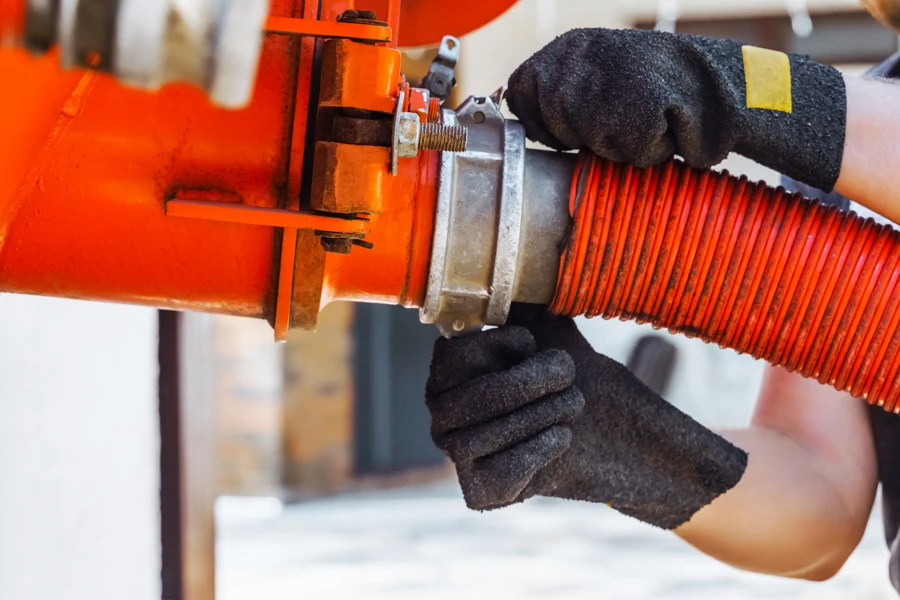
Professional septic service teams have the proper tools to remove waste safely and inspect key parts of the system. During a pumping visit, they can check baffles, filters, and the general condition of the tank. Catching worn parts early can prevent breakdowns later.
Staying ahead of problems is far easier and less stressful than dealing with sewage backups or yard flooding. A simple maintenance plan protects your home, your yard, and your budget.
Protect Your System Before Problems Start
If you want to reduce the risk of breakdowns in Miami Gardens, FL, regular septic tank pumping is one of the best steps you can take. At ASAP Statewide Septic, we help homeowners stay on track with routine maintenance and thorough inspections designed to prevent expensive failures. Our team works carefully and answers your questions so you feel confident about your system. Call us at (786) 288-3673 to schedule service or set up a maintenance plan that fits your home.